Light as a dimmer curve
Instead of a single "lights off" event, some households experiment with lowering lux across thirty to sixty minutes. The curve can track sunset loosely or simply honor when screens wind down.
Sleep environment
This page stacks general ideas about light curves, sound textures, thermal comfort, and mental load—the kind of context that often surrounds sleep without pretending to treat sleep disorders. Nothing here replaces individualized medical guidance when you need it.
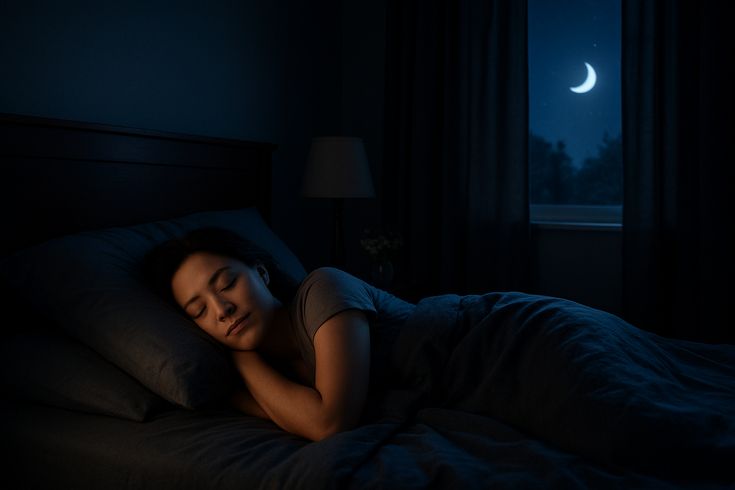
Illustrative mood only—your room, neighbors, and season all edit what a quiet evening means in practice.
Think of these as observation frames. Your home, roommates, and work arcs differ; the invitation is to notice which lever actually moves the evening—and to document it in neutral language.
Instead of a single "lights off" event, some households experiment with lowering lux across thirty to sixty minutes. The curve can track sunset loosely or simply honor when screens wind down.
Low-variance audio—steady fans, predictable loops—often competes less with attention than erratic notifications.
Drafts, humidifiers, and seasonal bedding shifts register in journals more often than people expect. Note them without diagnosing.
Administrative work spikes adrenaline in many bodies. Shifting invoices, debates, or intense training farther from bedtime can be a gentle experiment.
Loud snoring with daytime sleepiness, sudden overnight terrors in adults, or sustained insomnia merit clinical eyes. This article stays educational.
Close loops that tempt one-more-reply behavior. If something truly cannot wait, park a calendar block tomorrow instead of debating it horizontally in bed.
Room lights lower; handheld screens often follow, though every household negotiates tradeoffs differently. Track what you actually did, not the idealized version.
tea, stretching, fiction reading—pick low-decision activities that signal closure without becoming superstitions you dread skipping.
A notepad beside the bed collects "tomorrow worries." You are not solving them at midnight; you are honoring their existence.
One line about what helped or hindered. Over months, pattern language appears without scorekeeping.
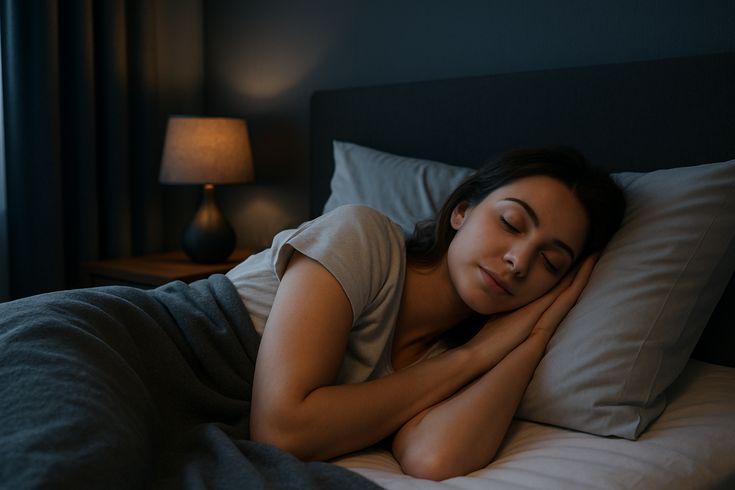
Continuity
Brains rarely shift from analytic mode to rest mode on command. Framing the final hour as a transition lane invites gradual shifts—quieter voices, fewer novel decisions, predictable tactile cues such as closing the laptop fully or setting shoes by the door.
If your lane needs to be shorter some nights, note the constraint compassionately. Interrupted arcs still yield information about caregiving loads, commute volatility, or creative bursts.
Pair with daytime rhythmA
Meetings, heavy meals, intense conversations, or travel all deserve a line in the journal. Patterns emerge slowly.
B
Noise surprises, unfamiliar pillows, and temperature spikes are data—not character flaws.
C
Sometimes the honest answer is logistical help, not another solo technique.
We avoid promising that any sequence will relax you, fix disrupted nights, or substitute for assessment by qualified clinicians. If reading this page raises concerns about apnea, mood, pain, or medication interactions, bring those questions to professionals who know your chart.